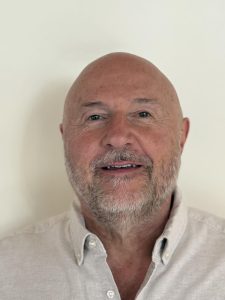
When people talk about the housing crisis, they often jump straight to construction — cranes, concrete, and timelines. Michael Ruge starts earlier, where the real leverage lives: assembling the land in the exact areas cities already want densification.
His approach is deceptively simple: buy individual houses in the target zone, keep them as rentals (or place tenants with clear timelines), and patiently assemble enough parcels to make a major apartment project possible. In some markets, that might mean 30 homes. On southern Vancouver Island, where larger lots still exist, Michael shared an example of a 5.5-acre assembly achieved with just five houses.
What makes this model powerful for Solving housing crises is that it reduces risk and keeps communities functioning during the transition. Rather than emptying homes for years while permits crawl forward, the properties stay lived-in. In a region Michael described as having 0% vacancy for over five years, keeping people housed while assembling land is more than a strategy — it’s responsible behaviour during a housing crisis.
A key rule in his playbook: don’t buy anything that isn’t “standalone.” Meaning, even if the neighbouring property never sells, the asset still has value on its own. This prevents being trapped by one missing puzzle piece. When additional parcels do come together, the combined land value jumps — Michael points out how two properties assembled can uplift significantly, and the effect compounds as more pieces join.
Then comes the clever scaling move: joint venture with a large developer who has the staff and systems to execute a $50M–$250M project. Michael’s team contributes land and capital (often with their investor network), gets paid back with 10% compounded interest, and retains an equity slice that can later produce dividends. It’s a way to do “more by doing less” — and to multiply impact across multiple sites.
This isn’t theory — Michael described having 888 units completed using this model, with 2,000+ units under development. That’s exactly what Solving housing crises needs: repeatable frameworks, not one-off hero projects.
If you’re watching the housing crisis and wondering where to start, the lesson here is clear: don’t chase the hardest rezoning fight in town. Track where the puck is going, assemble land there, keep people housed during the process, and partner with operators who can build at scale.
More on Michael Ruge:
Michael Ruge – A Visionary Entrepreneur with a Heart for Community
Michael Ruge – A Leader in Sustainable Development and Entrepreneurship
Michael Ruge and Affordable Apartments: Transforming the Cowichan Valley Housing Landscape
Michael Ruge: Pioneering Success Across Industries